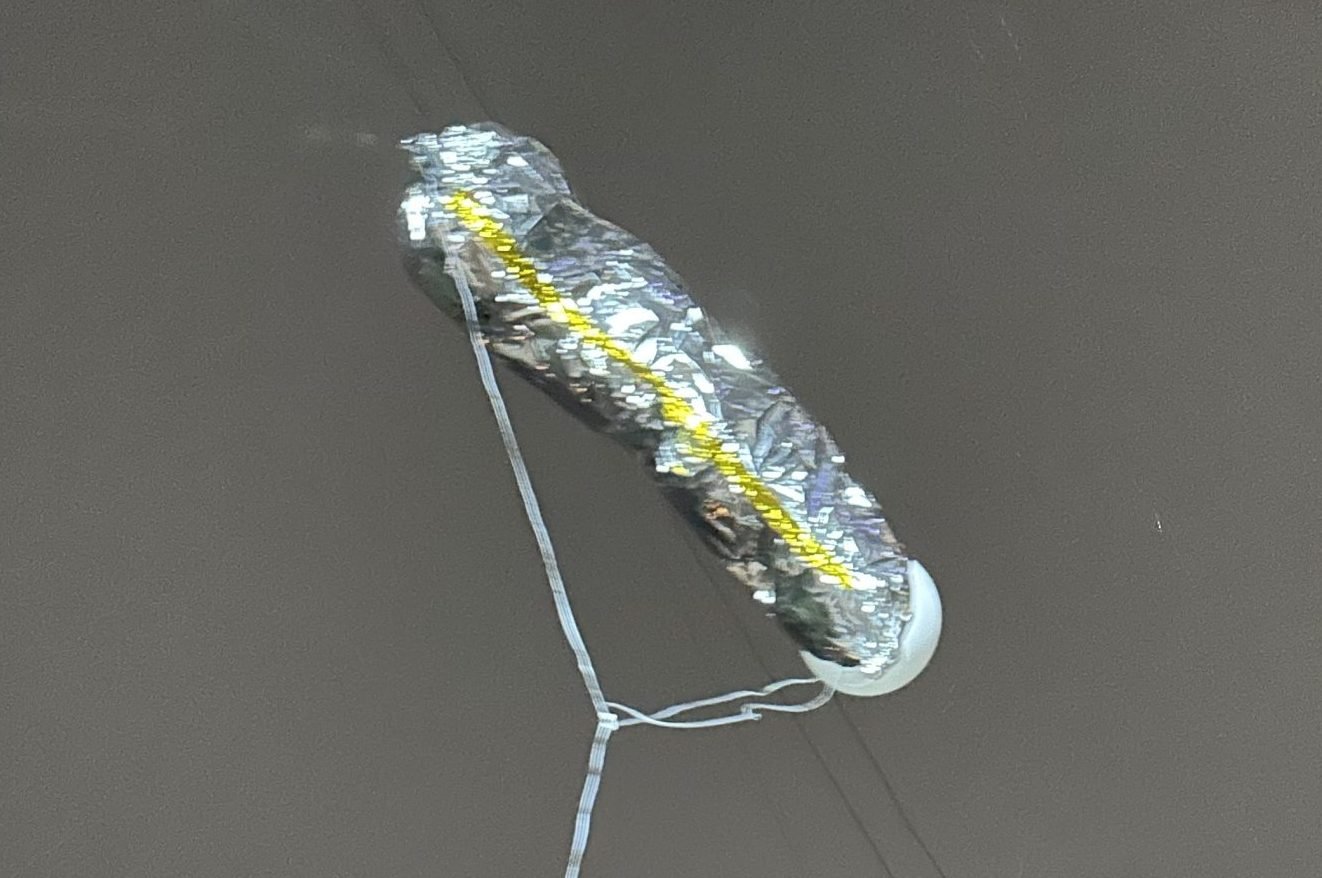




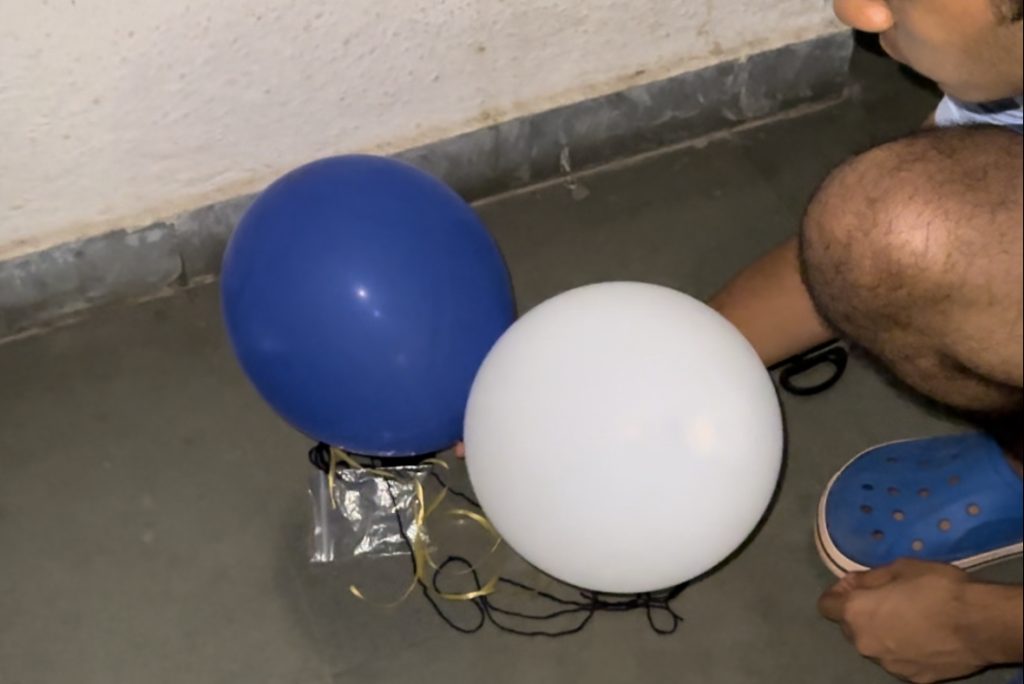
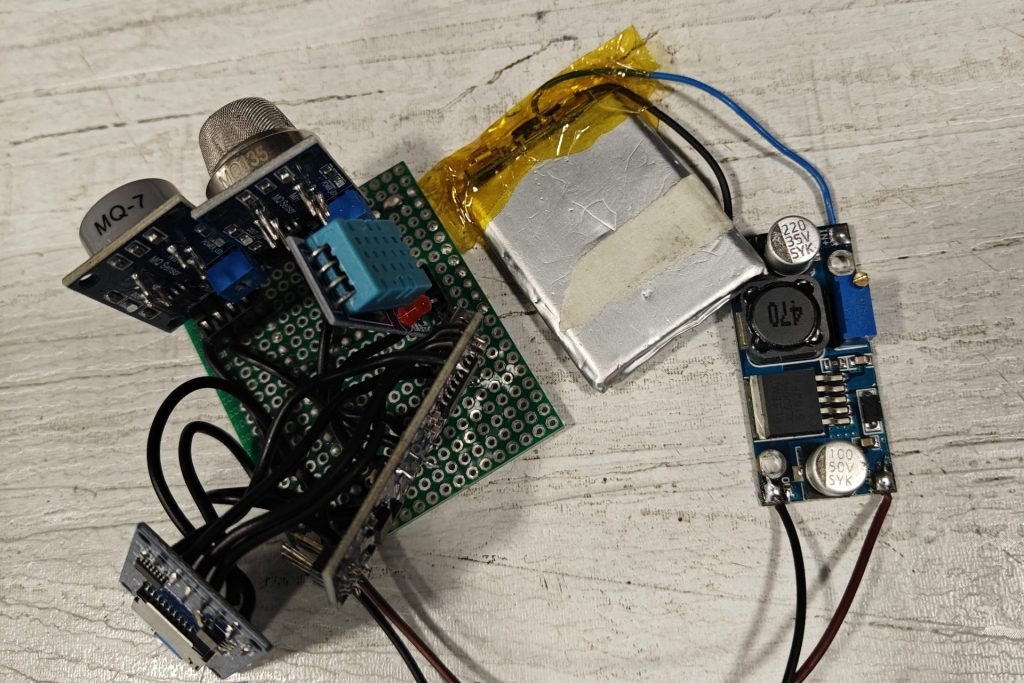
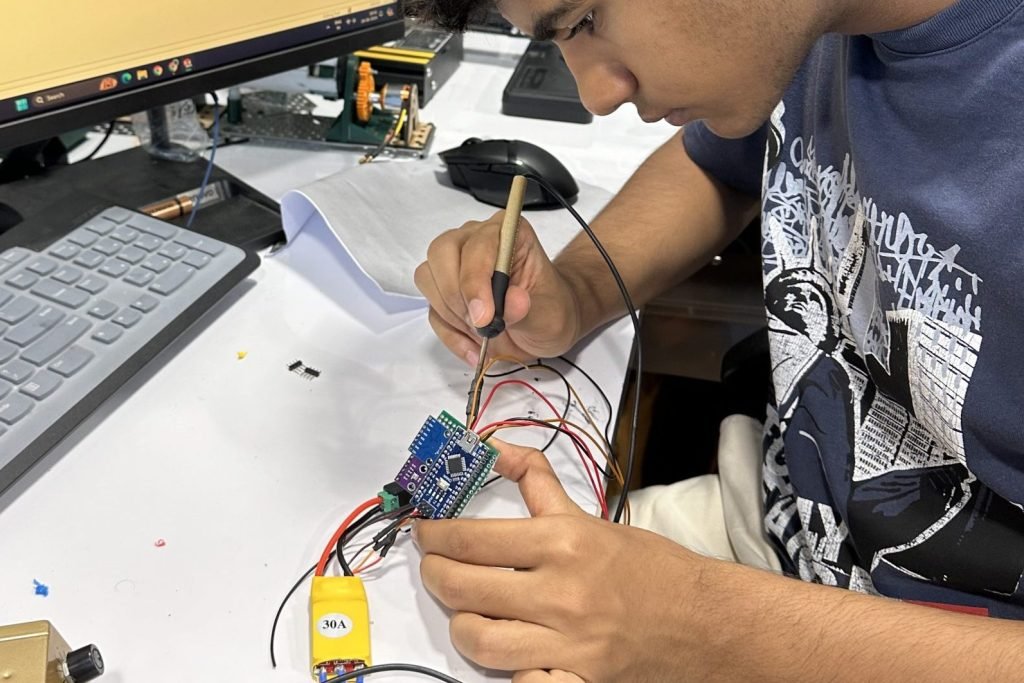

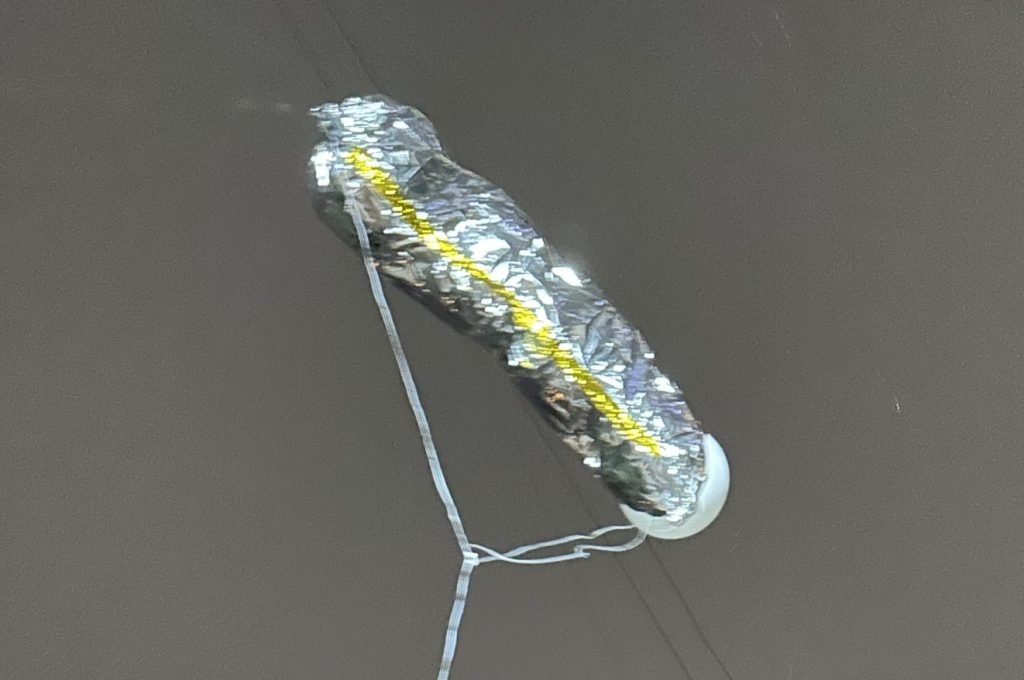





Motivation: Living next to a construction site is extremely painful: noisy and very polluting with all kinds of particulate matter being thrown around. Many children and elderly in my housing society started complaining of chest congestion and breathing issues. Efforts to talk to the construction site team yielded no results. To understand the nature and intensity of the pollution, I designed and built an atmospheric pollution monitoring airship.
Technical details:
I am currently using the prototype to collect data on the pollutants at different altitudes near my housing society before sharing it with the local municipal corporation for further action.
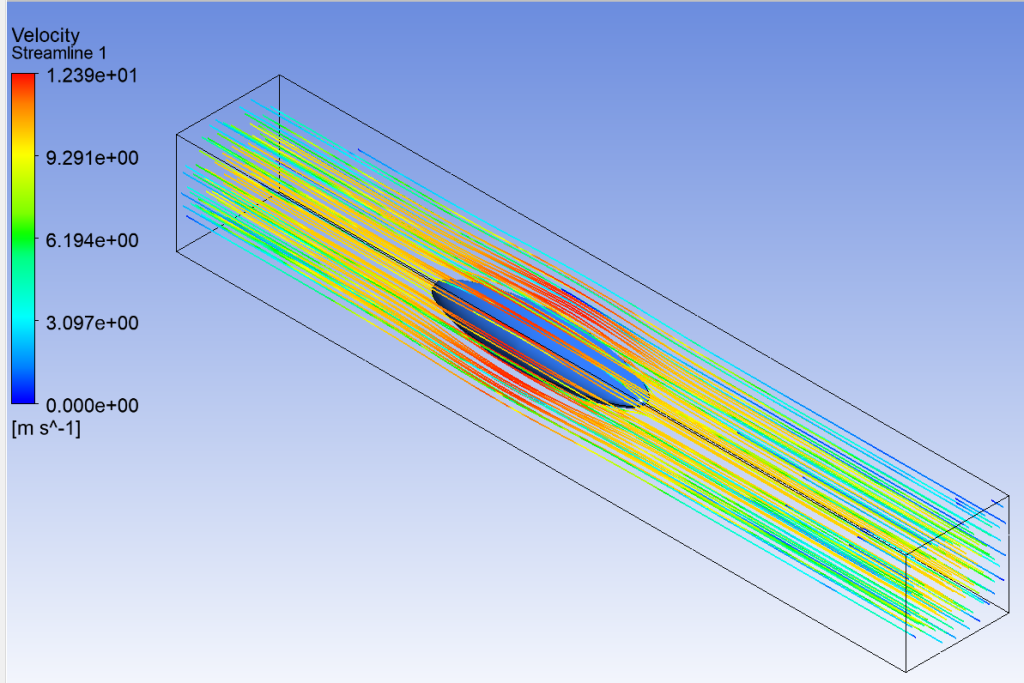
Recognition: Research paper on how to optimise the shape of the airship received the British CREST Gold Award. It was presented at FLAME 2024 by Amity University and will be published in Springer’s ‘Advances in Engineering Design’ journal.
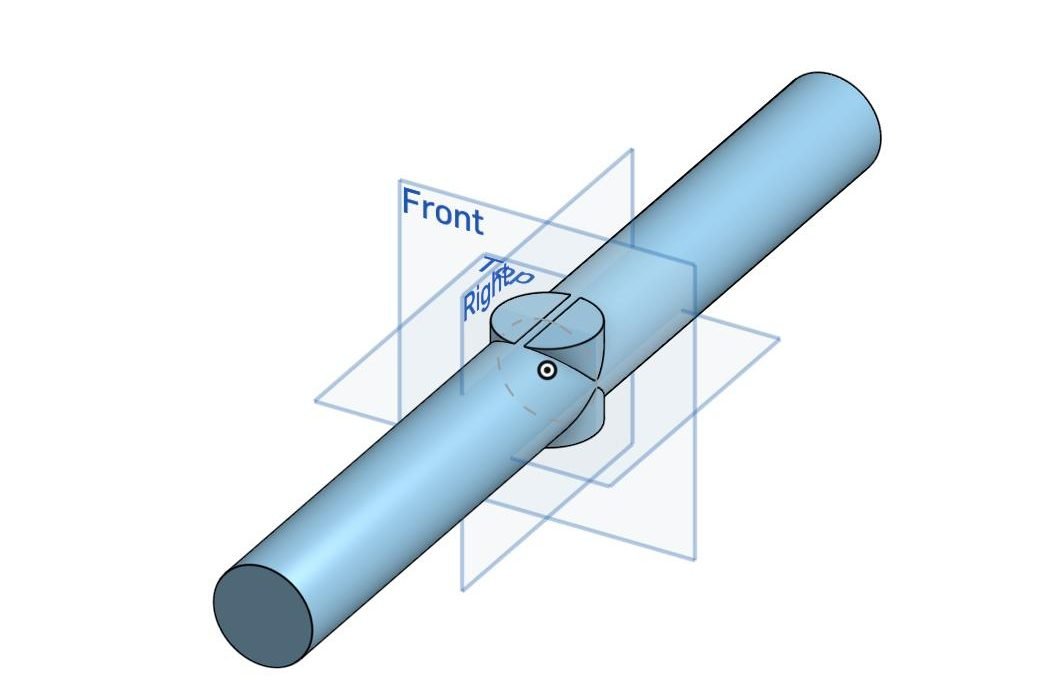
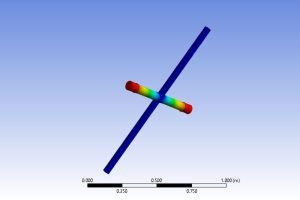
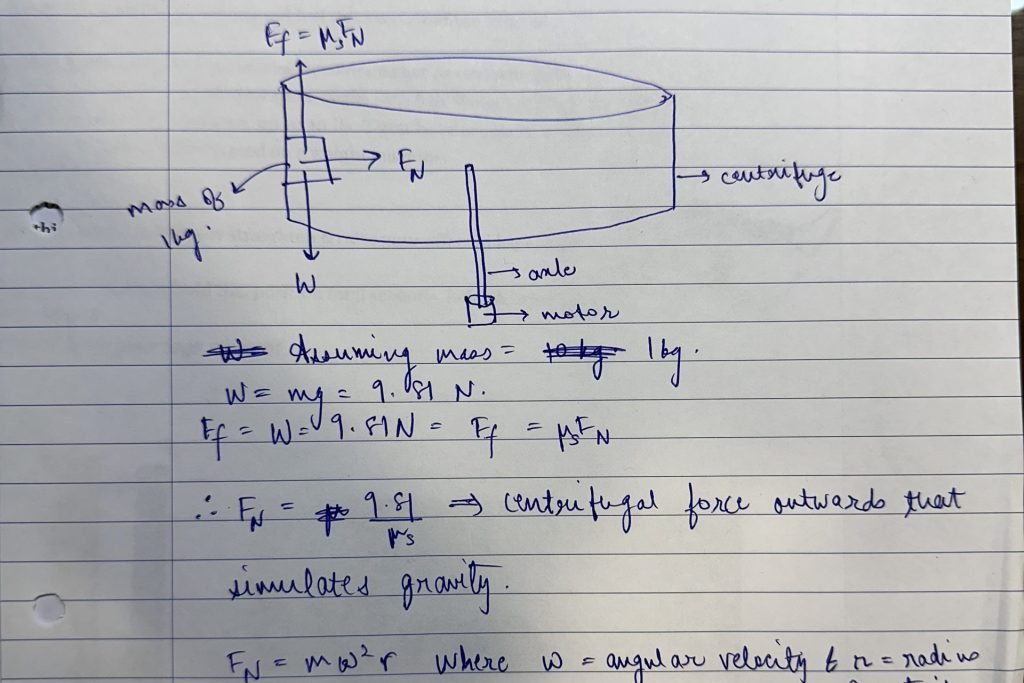
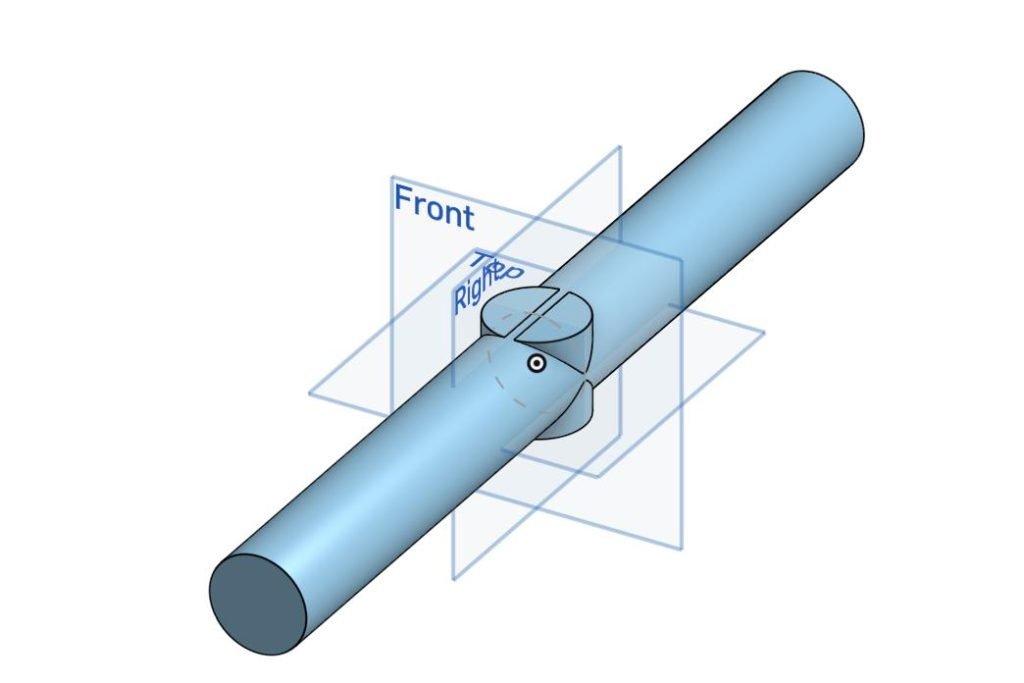
Motivation: Testing equipment designed for Martian conditions is difficult. I am working on designing a centrifuge to simulate Martian gravity on Earth.
Mentored by: Prof. Sandeep Saha from the Aerospace Engineering department at IIT Kharagpur.
Technical details:
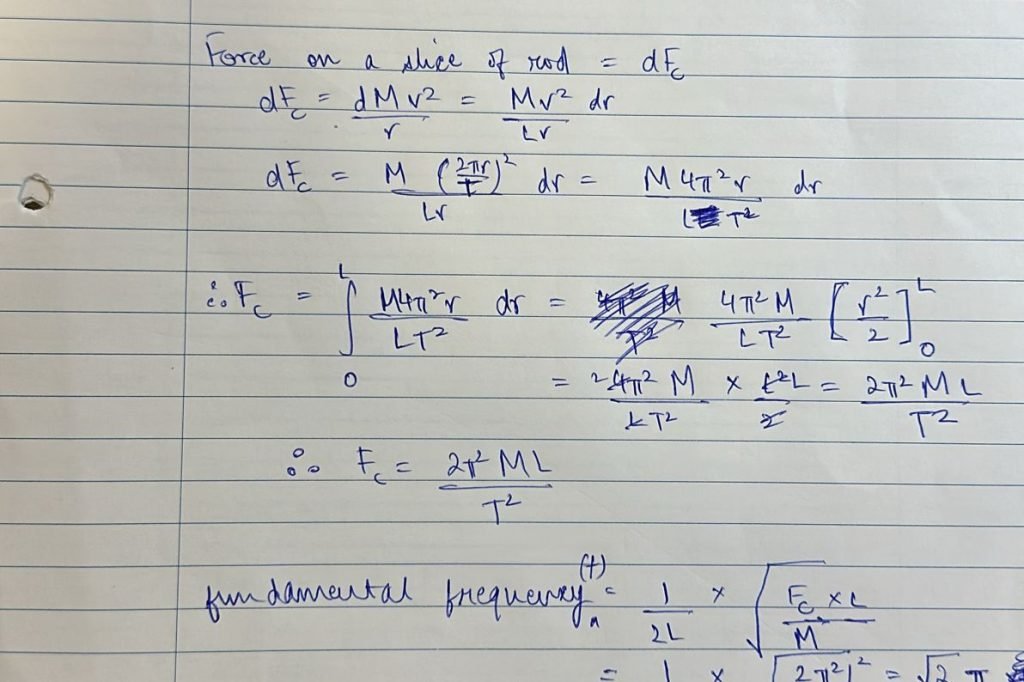
I also verified Ansys results by hand calculations using Physics concepts beyond my school curriculum.
Motivation: In 2020, when the pandemic hit, NASA announced a special challenge to design a toilet for use on the Moon – a “Lunar Loo” 💩. With a couple of friends, I designed a toilet that could be used in low gravity conditions on the Moon.
Technical Details:
While we did not win, it was a project that helped me apply my CAD skills to something with real-life application!
Motivation: Eager to build on my signal processing work at Sisir Radar, I worked on image denoising algorithms.
Mentored By: Prof. Maryam Yashtini from the Mathematics Department at Georgetown University.
Technical details:
I enjoyed pushing myself to learn advanced calculus concepts. The application of math to something so commonplace fascinated me!
Prof. Yashtini’s evaluation. She placed me in the top 5% of students she has worked with.
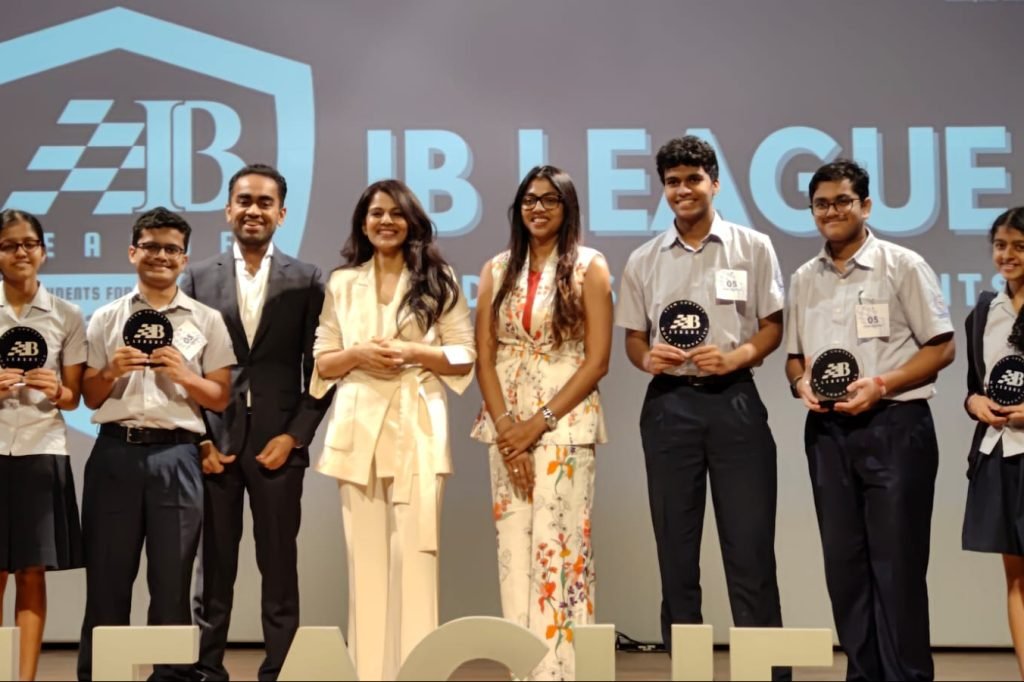
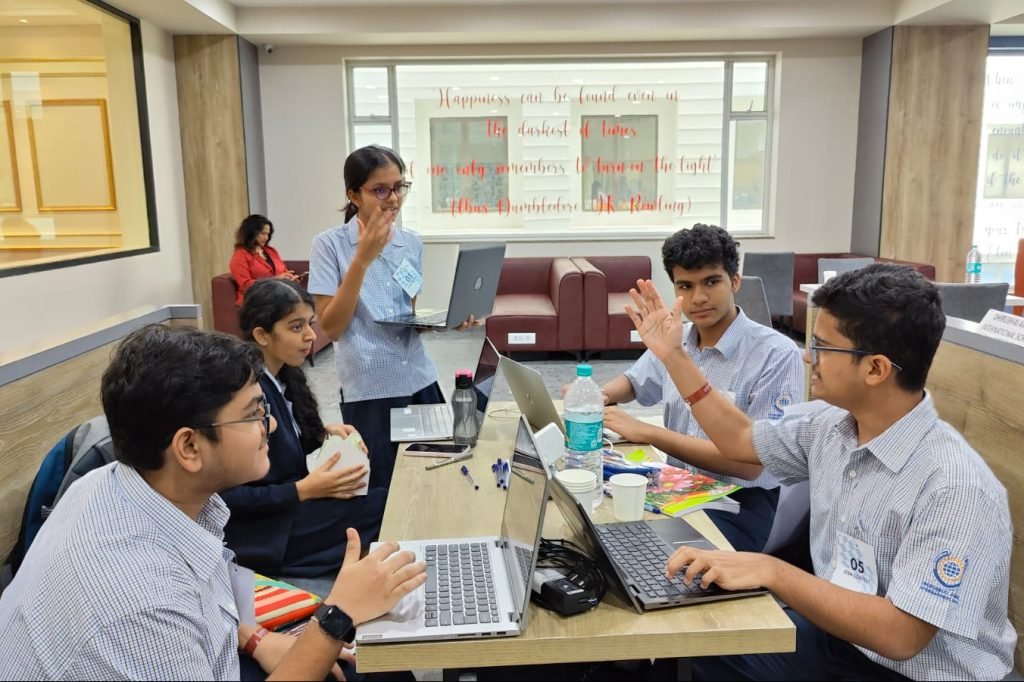
Motivation: I led our school delegation for the IB League STEM Challenge hosted at JPIS, Jaipur. We attempted to create a solution to deflect a fictional Earth-bound asteroid. Within 5 hours, we researched, brainstormed, and make a presentation deck.
Technical Details:
Recognition: After our presentation, the host school principal and one of the judges (a Princeton aerospace engineering graduate) personally came up to me to commend the thinking and detail behind our presentation! We won the Most Innovative Presentation award.
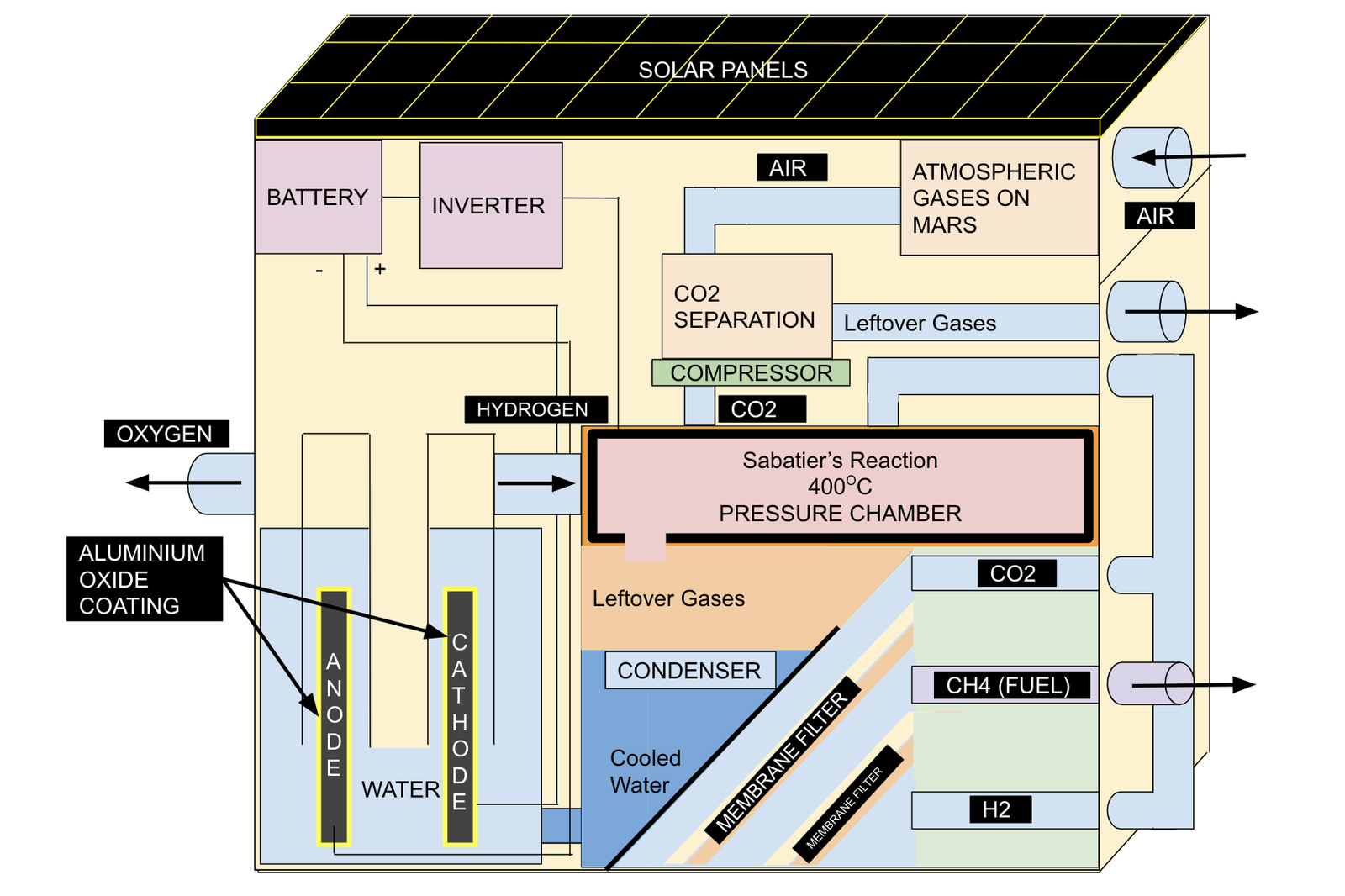
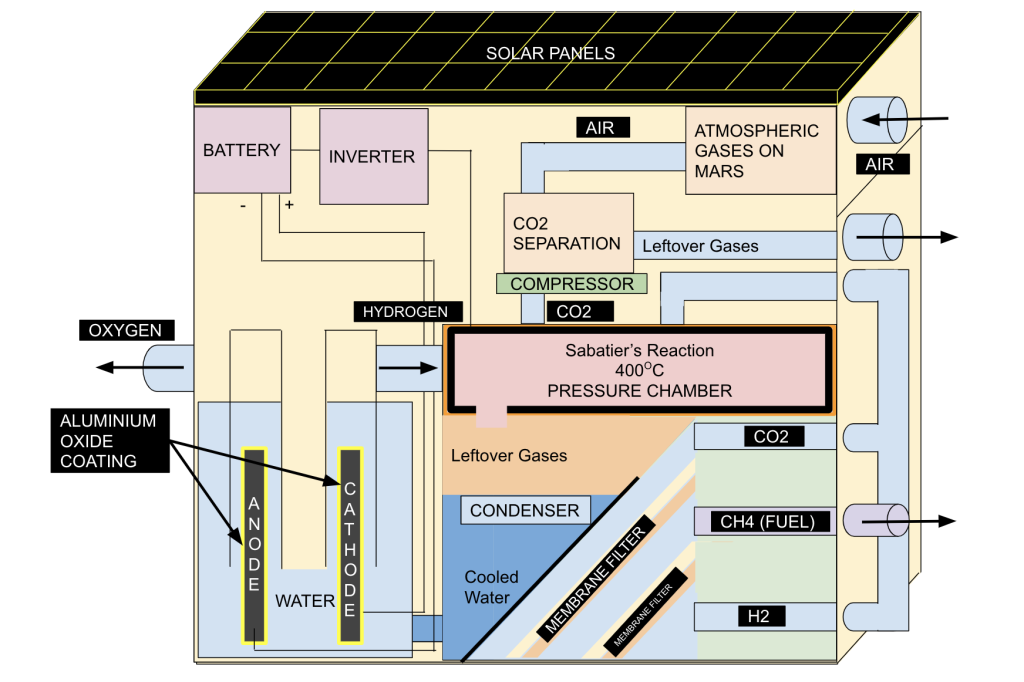
Motivation: Being forever enamoured by human life on Mars, I tried solving the problem of oxygen generation on Mars. After months of reading research, evaluating existing solutions, and meeting experts, I managed to create BOOM, an industrial-scale system to solve this problem. It was my first taste of writing a paper too!
Technical Details:
Through BOOM, I learnt the multidisciplinary nature of engineering!
Recognition: Silver Medal at National Science Concours, 2019
Motivation: Coming from a family of business professionals, I had heard a lot about the stock market growing up. And having just completed HarvardX’s Web Programming course, I decided to build an Indian stock exchange simulator using Django.
Technical Details:
It was challenging to implement some of the features as I did not have any experience. Yet, I had a lot of fun working on this project!
Motivation: To apply my learnings from UC SanDiegoX’s Python for Data Science course, I built a tool to detect disease in cotton plants. This would be very helpful for cotton farmers.
Technical details:
I submitted this project to Microsoft Imagine Cup as well. Even though it didn’t win, it was a fascinating introduction to ML and image processing. Code Explanation.